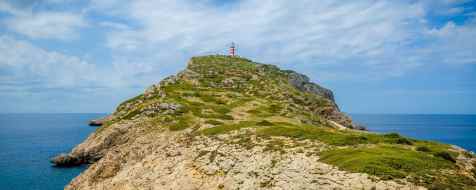
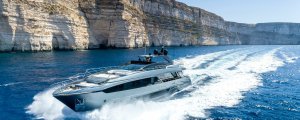
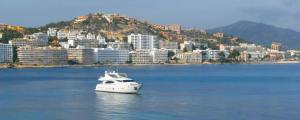
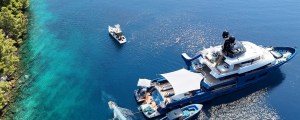
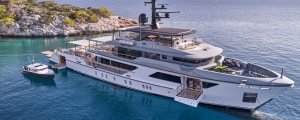
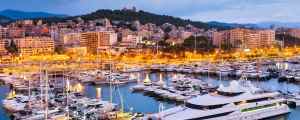
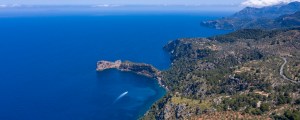
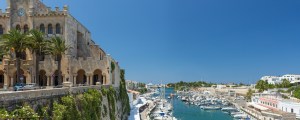
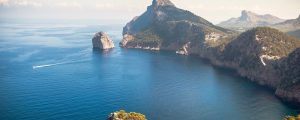
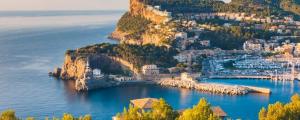
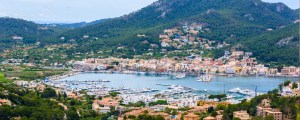
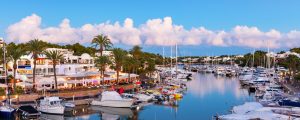
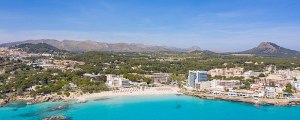
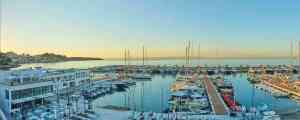
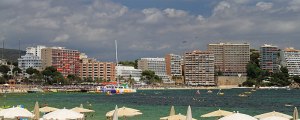
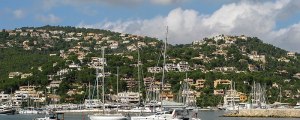
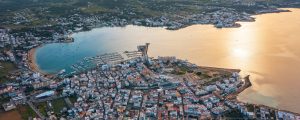
Alcudia and Pollensa are Mallorca’s quieter north: two wide open bays backed by mountains, with the dramatic cliffs of the Formentor peninsula between them. There’s less boat traffic than Palma sees in July and August, and the coastline feels more like the Tramuntana range meeting the sea than a marina scene. The one thing to plan around: almost every Mallorca charter embarks in Palma, so seeing the north properly is usually a route decision, not a start-point decision.
Quick Take
- What’s different up here: bigger, more open bays, dramatic cliff scenery at Cape Formentor, and noticeably fewer boats than the coves around Palma in peak weeks.
- How you get there: most charters start in Palma, so the north is normally reached as a leg of a longer route or a repositioning day, not a standalone embarkation point.
- The one caveat: these are north-facing bays, so they lose their shelter when the wind swings north or northeast. Check conditions before committing several days to the area.
- Who it suits: guests who’ve already seen Palma and the south, families who want calm, wide-open swimming water, and anyone who wants coastline over beach-club scenery.
- How much time to give it: realistically part of a 7-night or longer route. On a short 3 or 4-night trip, the transit up and back eats too much of the trip to be worth it.
What Makes Alcudia and Pollensa Different from Palma and the South
Most first-time Mallorca charters run out of Palma and stay close to the south and southwest coast: Puerto Portals, Port d’Andratx, the coves near Cabrera. That water is beautiful, but it’s also where most of the island’s charter fleet operates, so in peak season the popular anchorages fill up fast.
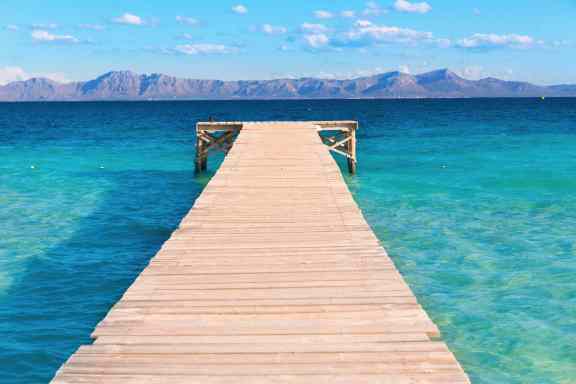
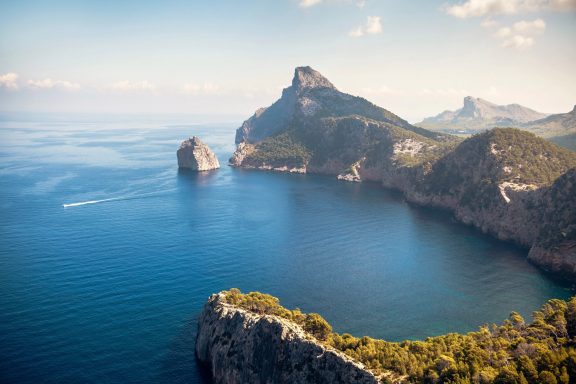
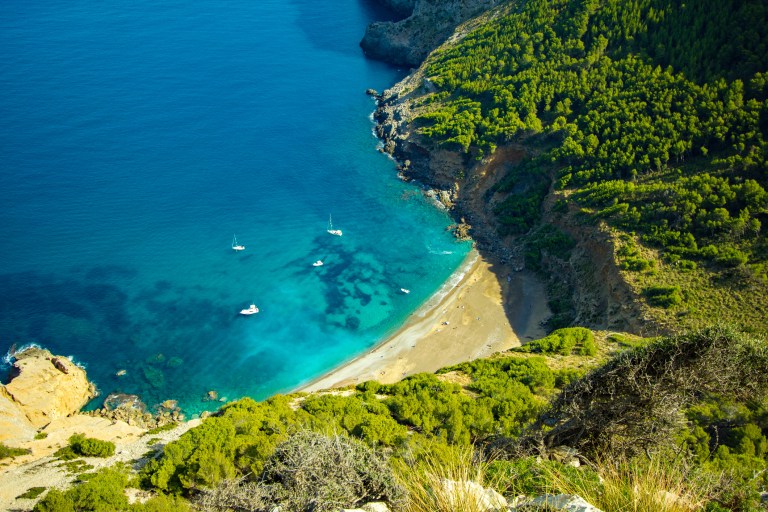
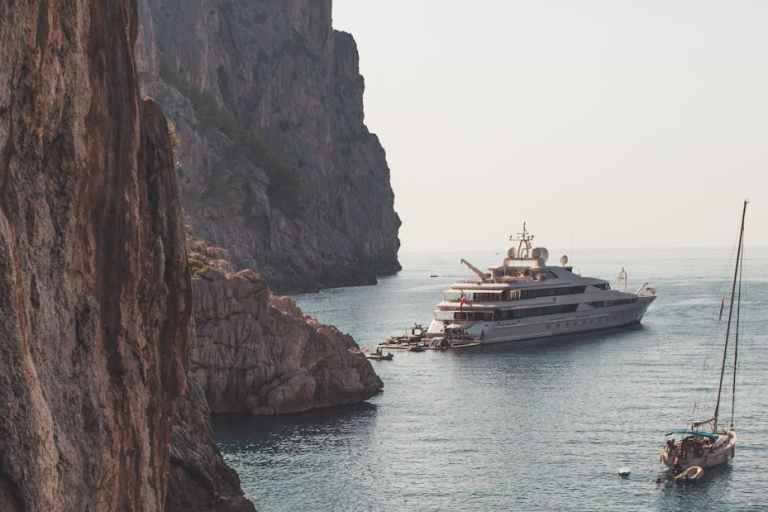
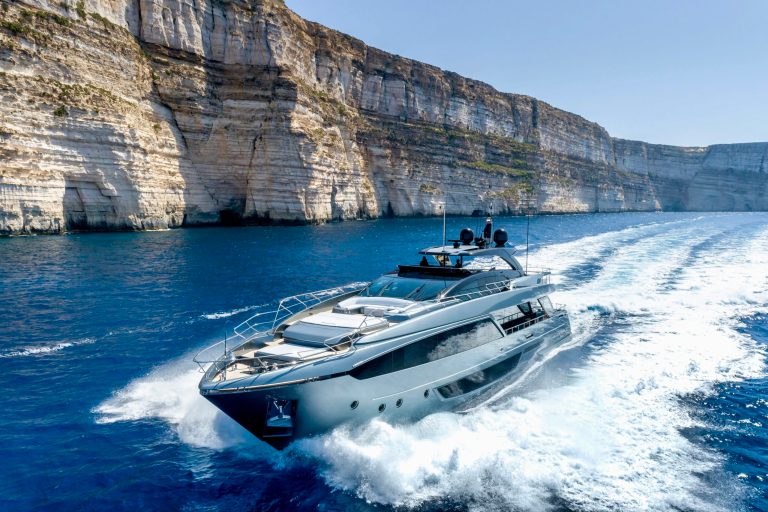
Alcudia Bay and Pollensa Bay are two of the largest, most open bays on the island. There’s simply more room to swim, more room to anchor comfortably apart from other boats, and a different kind of scenery: the Serra de Tramuntana mountains run right down to the water instead of the smaller, drier coves you get further south. Between the two bays sits the Formentor peninsula, a narrow finger of pine-covered cliffs that’s one of the most photographed stretches of coastline in the Balearics.
If your guests have already done a Palma-based charter and want to see a different side of the island, this is that side.
Getting There: Why This Is Usually a Route Decision, Not a Start Point
Here’s the practical reality we tell clients upfront: the charter fleet based in the north is much smaller than the fleet in Palma, so most charters still embark and disembark in Palma. That means the north isn’t typically a place you fly in and start a charter from. It’s a place you sail to.
In practice, that works well as part of a longer route. Our 7-day Mallorca yacht charter itinerary already routes a full clockwise loop of the island through Port d’Andratx, Port Soller, Pollensa, Cala Ratjada, Cala d’Or, and Cabrera before returning to Palma, with Pollensa as one full day inside that loop. That’s proof this works: guests get the north as part of a bigger trip rather than trying to make it a destination on its own.
If you’re deciding how long to book in the first place, our guide on how many days you need for a Mallorca charter is the right starting point. As a rule of thumb, the north makes the most sense on 7 nights or longer. On a shorter 3 or 4-night trip, the time spent getting up there and back usually isn’t worth trading against time in the south.
You can also browse yachts available for charter in North Mallorca directly if you already know this is the area you want to focus on.
Alcudia Bay
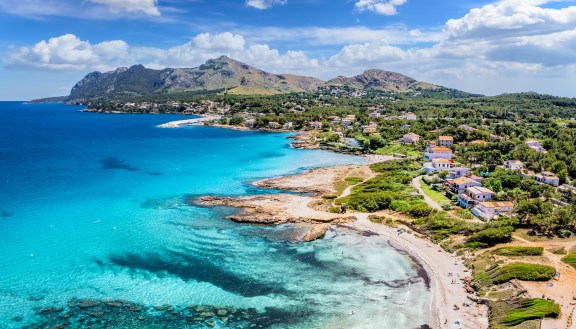
Alcudia Bay sits on the northeast coast, with Puerto de Alcudia marina at its western end. The bay itself is wide and shallow-sloping in places, which makes for calm, easy swimming water, a genuine advantage for families with younger kids or anyone who wants a gentler swim stop than a rocky cove. It’s a working marina town too, not purely a tourist strip, so there’s a normal mix of restaurants and services if guests want to step ashore.
Pollensa Bay and the Formentor Peninsula
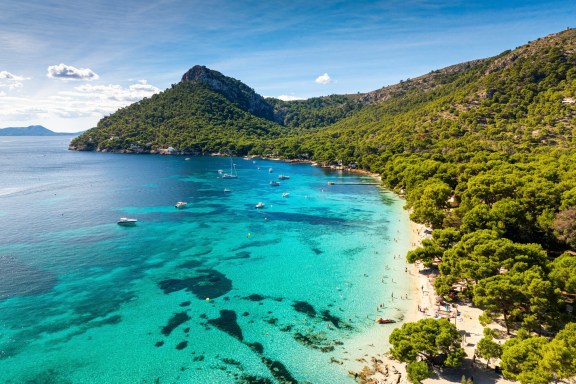
Pollensa Bay sits just around the corner from Alcudia, and it’s arguably the more dramatic of the two. The Real Club Nautico Port de Pollenca marina operates year-round, and the bay is naturally sheltered by the Tramuntana mountains and the headlands at either end, which is part of why it’s long been a favorite among sailors who know the island.
The real draw, though, is Cape Formentor: pine-covered cliffs rising to a lighthouse roughly 200 meters above the water, about 7 nautical miles from the Pollensa marina. Cala Formentor, right beneath it, is a genuinely good anchorage: sandy bottom, good holding, around 5 meters of depth roughly 100 meters offshore.
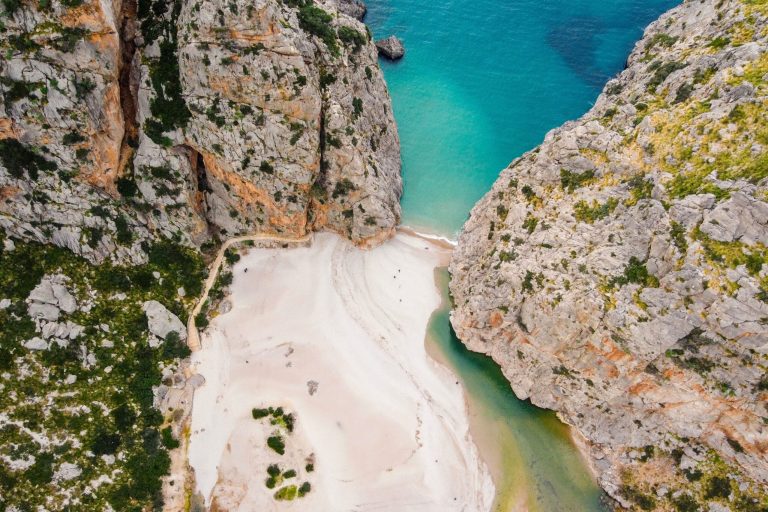
We’ve already covered the specific beaches and coves in this stretch of coastline in detail, including Cala Formentor, Cala Figuera, Cala Murta, and Es Coll Baix, in our guide to the best beaches in Mallorca to arrive by yacht. Worth reading alongside this one if you’re building out a north-coast day.
The One Real Catch: Anchorage Protection in a North Wind
This is the part a generic destination guide usually skips, and it’s worth saying plainly: Alcudia and Pollensa are north-facing bays. When the wind is settled and coming from a favorable direction, they’re calm, protected, and genuinely pleasant. When the wind swings north or northeast, the same bays lose a lot of that shelter, and anchorages that felt comfortable the day before can turn uncomfortable fast.
“North Mallorca can be some of the most beautiful anchoring on the island when the weather cooperates, but it's also the most weather-dependent part of the itinerary. We always check the forecast before committing a full day up there, and we'll build in a backup plan on the south coast if the wind looks like it's turning.”
Our Mallorca charter team
This isn’t a reason to skip the area. It’s a reason to build in flexibility, which is exactly what a good broker does when planning the route with you.
Who This Area Actually Suits
This part of the coast tends to work best for:
- Guests who’ve already experienced Palma and the south and want a different, quieter side of Mallorca.
- Families who want calm, wide, easy swimming water rather than small rocky coves.
- Anyone drawn to dramatic coastal scenery and mountains meeting the sea over marina nightlife and beach clubs.
- Charters of 7 nights or longer, where the north can be built in as a genuine leg of the route rather than a rushed detour.
It’s probably not the right fit for:
- Short 3 or 4-night trips, where the transit time up and back cuts too deeply into the total.
- Guests whose priority is the Palma beach-club and nightlife scene, which is concentrated in the south.
Planning It Into Your Charter
The simplest way to think about it: treat Alcudia and Pollensa as a highlight leg of a longer Mallorca route, not as a separate trip. Build in a day or two up north as part of a 7-night-plus itinerary, keep an eye on the wind direction in the days before you’re due up there, and have your broker line up a south-coast backup plan just in case. Our best time to charter a yacht in Mallorca guide covers the seasonal and weather picture that feeds into this decision.
Frequently Asked Questions
Can I start my Mallorca charter in Alcudia or Pollensa instead of Palma?
Almost all Mallorca charters embark and disembark in Palma, since that’s where the vast majority of the charter fleet is based. The north is best planned as part of a longer route rather than as your start or end point.
How far is Alcudia or Pollensa from Palma by yacht?
Both sit on the northeast coast, reached by cruising up either the west (Tramuntana) coast or around the east side of the island. It’s normally covered as one or more days within a longer itinerary rather than a quick single-day hop, which is why we recommend building it into a 7-night-plus route.
Is the north coast of Mallorca sheltered enough for a comfortable charter?
Usually, yes. Alcudia and Pollensa bays are naturally protected by the surrounding mountains and headlands. The one thing to watch is wind direction: shelter drops off when the wind swings north or northeast, so we always check the forecast and keep a backup plan ready.
How many days should I plan to properly see Alcudia and Pollensa?
One full day gets you a good taste, including Cape Formentor. Two or three days lets you actually settle into the bays, get ashore in Pollensa town, and wait out any weather without feeling rushed. Either way, plan it inside a 7-night or longer charter.
Ready to Build the North into Your Route?
If the quieter side of Mallorca sounds like what your group is after, talk to our team about where Alcudia and Pollensa fit into your route.
We’ll look at your trip length, your group’s priorities, and the weather window, and build a plan that gets you up there properly instead of rushing it.








 iMessage
 WhatsApp