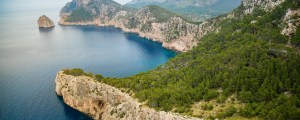
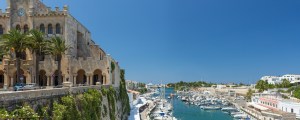
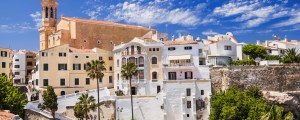
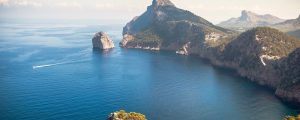
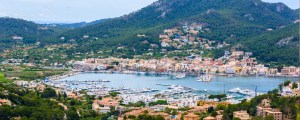
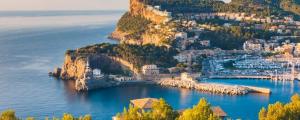
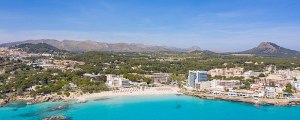
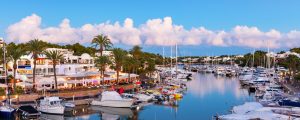
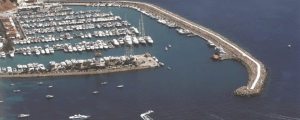
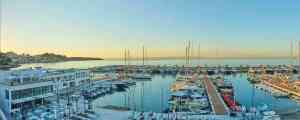
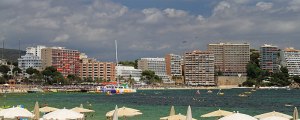
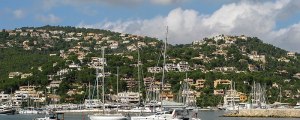
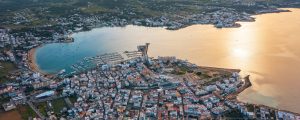
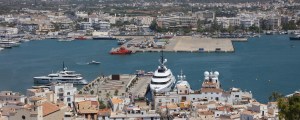
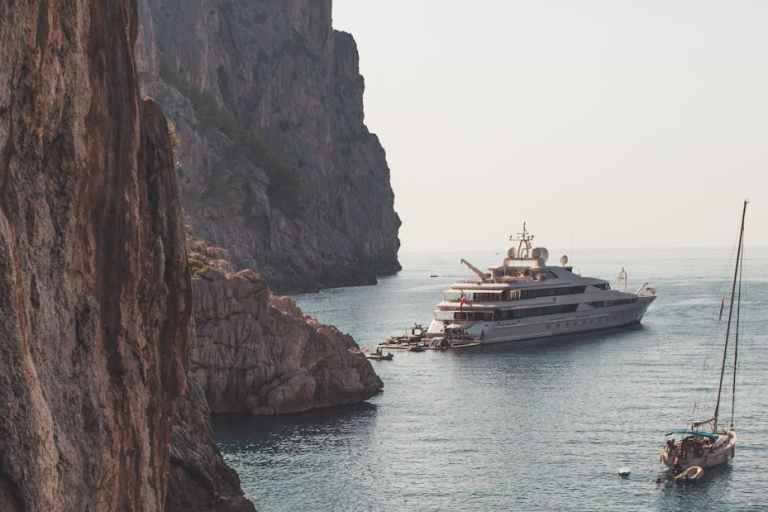
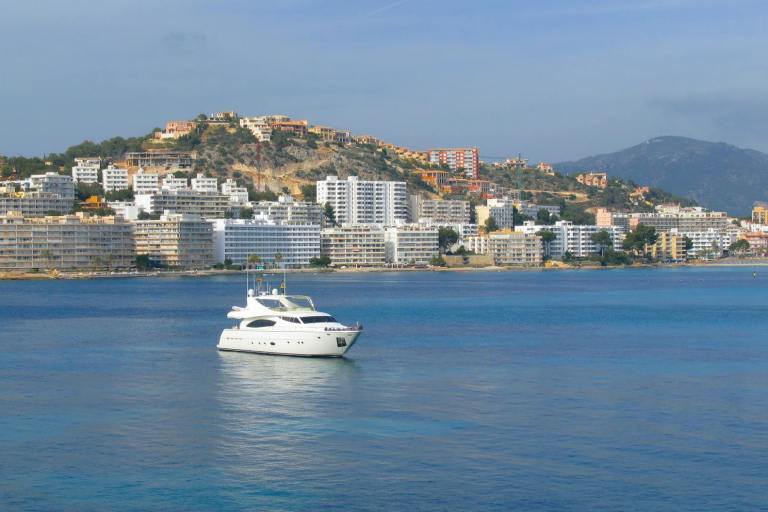
Yes, parts of Mallorca are exactly as built up as you have heard. Palma Bay, Magaluf, and the Alcúdia hotel strip are busy, developed, and full of package tourism in peak season. But that is not the coast a yacht charter takes you to. The Tramuntana coast, the mountainous west side of the island running from around Sant Elm up to Sa Calobra, is a different Mallorca: steep, quiet, and never built out for tourism because the terrain simply does not allow it.
Quick Take
- The touristy image of Mallorca comes from the land-tourism bays (Palma, Magaluf, Alcúdia), not from the west coast a charter actually spends its days on.
- The Tramuntana coast is a UNESCO World Heritage Cultural Landscape, protected since 2011, roughly 90 km of mountains running along the northwest shore.
- Most of this coast is reachable only by boat or by a long drive over the mountains, which is exactly why it never got built up.
- It suits guests who want scenery, quiet coves, and a slower pace more than beach clubs and late nights.
- The one real caveat: this coast is exposed to open water, so a good broker plans the route around the weather rather than fighting it.
Why Mallorca Has a Touristy Reputation (and Why That’s Not the Whole Island)
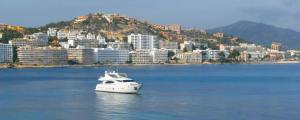
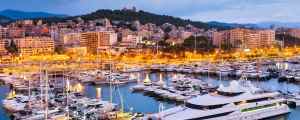
The reputation is fair. If your only image of Mallorca comes from a land holiday, a stag weekend, or a ferry trip into Palma, you have seen the busiest, most developed parts of the island. Palma Bay’s waterfront is packed for most of the year. Magaluf is built around nightlife. Alcúdia’s hotel strip is exactly what “package holiday” looks like. We would not tell a client otherwise, because it is true.
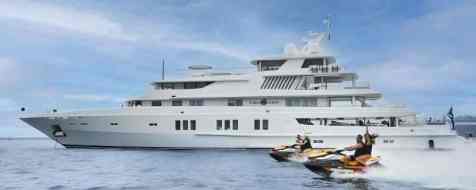
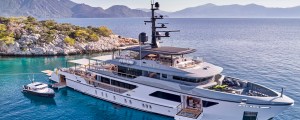
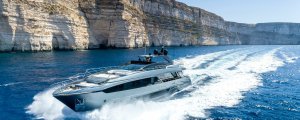
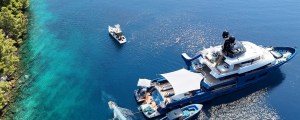
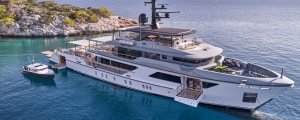
What that image misses is that a crewed yacht charter does not spend the week in those bays. Once you leave Palma’s marina, the boat opens up a different side of the island: the west coast, where the mountains meet the sea and there was never room to build a resort strip in the first place. Guests who arrive expecting a busier, more developed Mallorca are usually surprised by how empty and dramatic this stretch of coastline actually is.
The Tramuntana Coast Is a Different Mallorca
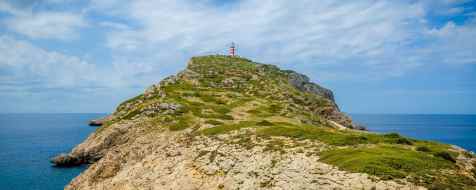
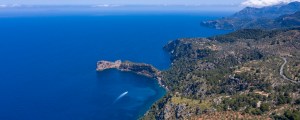
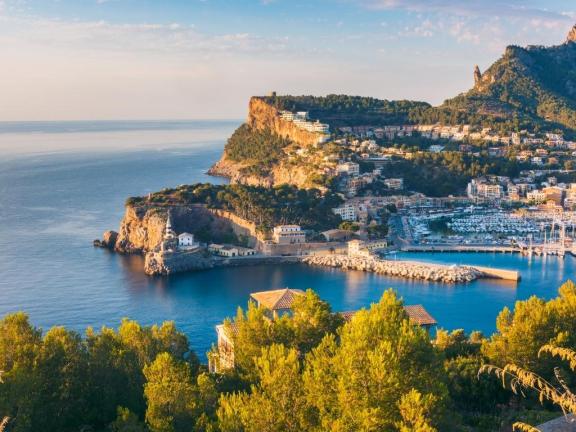
The Serra de Tramuntana is the mountain range that runs the length of Mallorca’s northwest coast, and it has been a UNESCO World Heritage Cultural Landscape since 2011. The range covers roughly 62,000 hectares and stretches close to 90 km, with Puig Major reaching 1,436 m, the highest point in the Balearic Islands. That is not a marketing detail. It is the actual reason this side of the island looks nothing like Palma Bay: the mountains run almost straight into the sea for miles, so there was never flat, buildable coastline for hotels or marinas to take over the way they did in the south and east.
We sometimes hear the same “isn’t Mallorca a bit built up” concern from clients, and even from brokers who haven’t chartered here themselves. The west coast is the answer to that, and it is not a sales line. It is geography. The terrain that makes this coast so dramatic to sail along is the same terrain that kept it from ever being developed the way the bays were.
What’s Actually Along This Coast
Sant Elm and Sa Dragonera
Sant Elm sits at the southern end of this stretch, a small, low-key town facing Sa Dragonera, a protected island and nature reserve just offshore. It is a gentle starting point for the coast: quiet water, a proper beach, and none of the crowd you would find closer to Palma.
Port d’Andratx
A short run north, Port d’Andratx is a working harbor with a genuinely relaxed marina feel, more fishing boats and local life than resort energy. It is a natural staging point before heading further up the coast, and several of our existing Mallorca itineraries already use it as a first or last stop for exactly that reason.
Port de Sóller
Port de Sóller is the one real shelter on this exposed stretch of coast: a deep, horseshoe-shaped bay backed directly by the mountains. It is useful for more than the view. It is where a captain provisions, waits out weather, or lets guests properly stretch their legs onshore before continuing north.
Cala Deià and Sa Foradada
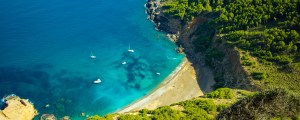
A short sail from Sóller, Cala Deià is one of the coast’s best-known stops: dramatic cliffs, clear water, and a couple of simple restaurants built right onto the rocks above the sea. Nearby, the clifftop point known as Sa Foradada is famous for its long-standing seafood restaurant, reachable only by boat or on foot. Neither spot feels like a tourist stop, because neither one can be reached the easy way.
Sa Calobra and Cala Tuent
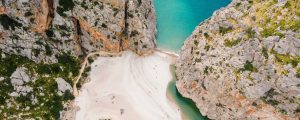
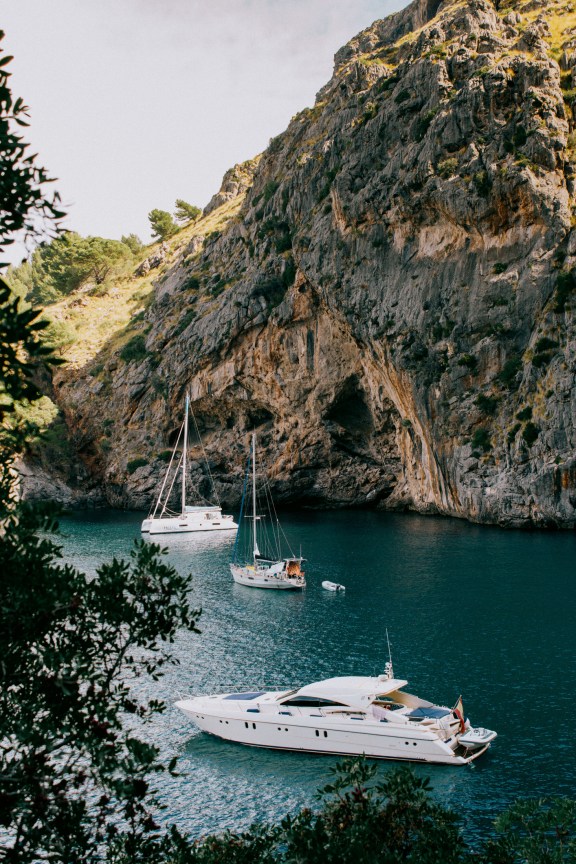
Further north, Sa Calobra and neighboring Cala Tuent sit in the shadow of Puig Major itself. This is the most dramatic and least visited part of the coast on a normal charter week: steep rock walls, a narrow gorge behind the beach at Sa Calobra, and very little else around.
Valldemossa, by land
Valldemossa is not an anchorage, but it is worth a mention: a hilltop village a short drive inland from this coast, known for its stone streets and mountain views. Guests who want a taste of the Tramuntana’s village side without pulling the week’s route far off course sometimes add it as a short land excursion from Sóller or Andratx.
Who This Coast Is Really For
This coast suits guests who want scenery, quiet coves, and a slower pace more than beach clubs and late nights. If hiking-adjacent scenery, dramatic views, and calm anchorages sound better than a party atmosphere, this is the strongest part of a Mallorca week.
Sa Calobra and Cala Deià are two of our favorite stops here for exactly that reason: Sa Calobra for the drama of the cliffs, Cala Deià for a proper lunch on the rocks above the water. Neither one feels touristy, because neither can be reached easily except by boat.
That said, if your group wants beach clubs, a livelier social scene, and easy tender-to-shore nights out, that is a legitimate, different kind of Mallorca week, and it is better served by weighting more time toward Palma Bay and the south coast. Neither version is the “correct” Mallorca charter. They are just built for different guests, and a good route plans around which one your group actually wants.
The One Real Planning Caveat: This Coast Is Exposed
The honest tradeoff is that the northwest coast faces open water, with far fewer sheltered overnight options than the south or east side of the island. Route timing here depends more on weather than a straightforward Palma-to-Cabrera week does.
This is exactly the kind of thing we plan around rather than warn you away from. A captain will often time a crossing to or from Ibiza for early morning or evening, so guests are not sailing through the middle of the day in open conditions. We will usually keep the actual overnight closer to Andratx or Palma even on a day that spends hours exploring further up the coast, and shoulder-season weeks (May, September, October) tend to give the calmest conditions if this coast is the priority for your group.
How to Fit the Tramuntana Coast Into a Mallorca Week
You do not need to build an entire week around this coast to get the benefit of it. Our 7-day Michelin-led Mallorca yacht charter itinerary already routes through Port d’Andratx and up toward Sóller, using this exact stretch of coast to slow the pace down mid-week. If you are weighing a Mallorca-only week against adding another island, our guide to whether Mallorca to Ibiza is actually realistic covers the same Andratx-Deià-Sóller-Cabrera pattern for guests who want to keep things local and unhurried.
If you are still deciding how much time to give this side of the island versus Palma and the south, our guide to how many days a Mallorca charter needs breaks that down by route length. And if you are comparing Mallorca against Ibiza or Menorca entirely, our Mallorca vs Ibiza vs Menorca guide tackles the same crowded-versus-quiet question from a different angle.
FAQ
Is the west coast of Mallorca crowded in summer?
No, not in the way Palma Bay or the resort strips are. The mountainous terrain limits development, and most stops along the Tramuntana coast are reachable only by boat or a long drive, which keeps the crowds well away.
Can you anchor overnight along the Tramuntana coast?
Some stops work well as day anchorages, but overnight shelter is limited on this exposed coast. Most crewed itineraries base the overnight closer to Port d’Andratx or Palma and use this stretch for day stops instead.
What's the best time of year to charter the Tramuntana coast?
Late spring through early autumn works well, but the shoulder months, May, September, and October, tend to give calmer conditions on this more exposed side of the island.
Do you need extra days to include this coast in a Mallorca charter?
Not necessarily a full extra week. See our guide on how many days a Mallorca charter needs for how to fit it in alongside Palma and the south.

Ready to Plan a Quieter Side of Mallorca?
If the built-up image of Mallorca has been holding you back, talk to us about a week that actually includes the Tramuntana coast.
We will help you decide how much of the route should lean toward Sóller and Deià for scenery and quiet, versus Palma and the south for beach clubs and nightlife, based on what your group actually wants.








 iMessage
 WhatsApp